
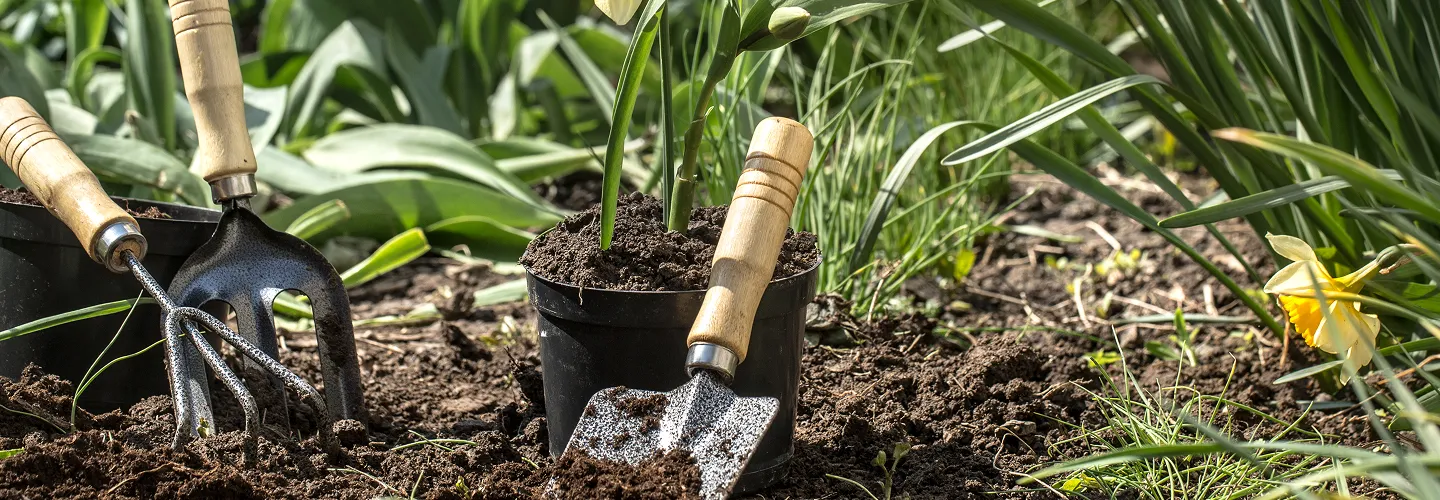
Tomball Weeding Services
Choose our expert weeding services for a healthier, more beautiful landscape—our experienced team ensures your garden stays vibrant, safe, and free from unwanted growth, so you can enjoy your outdoor space without the hassle.
Get a Free QuoteOur Tomball Landscaping & Yard Care Services
When to Schedule Weeding in Tomball, Texas – Seasonal Guide
In Tomball, Texas, the best times to schedule weeding are closely tied to our region’s unique climate and landscape. With mild winters and hot, humid summers, weed growth can be persistent, especially in neighborhoods like Lakewood Forest and near Burroughs Park. Early spring and late fall are generally optimal for weeding, as soil moisture is higher and temperatures are moderate, making it easier to remove weeds before they set seed. It’s important to consider Tomball’s average last frost date in early March and the onset of summer drought conditions, which can impact both weed growth and removal effectiveness.
Local environmental factors such as heavy clay soils, common in the Northpointe area, and varying shade coverage from mature oak and pine trees influence how and when weeds thrive. Areas with dense tree canopies, like those near Theis Attaway Nature Center, may require more frequent attention due to increased shade and moisture retention. Additionally, municipal guidelines and seasonal precipitation patterns—often detailed on the Town of Sudbury’s website—can affect when and how weeding services are performed. By understanding these local nuances, homeowners can better maintain healthy, attractive landscapes throughout the year.
Local Factors to Consider for Weeding in Tomball
- Tree density and shade coverage (e.g., mature oaks in Lakewood Grove)
- Soil type and drainage, especially in clay-heavy areas
- Seasonal precipitation and drought risk
- Frost dates and temperature fluctuations
- Terrain and slope, impacting water runoff
- Municipal restrictions or guidelines on landscaping activities
Benefits of Weeding in Tomball
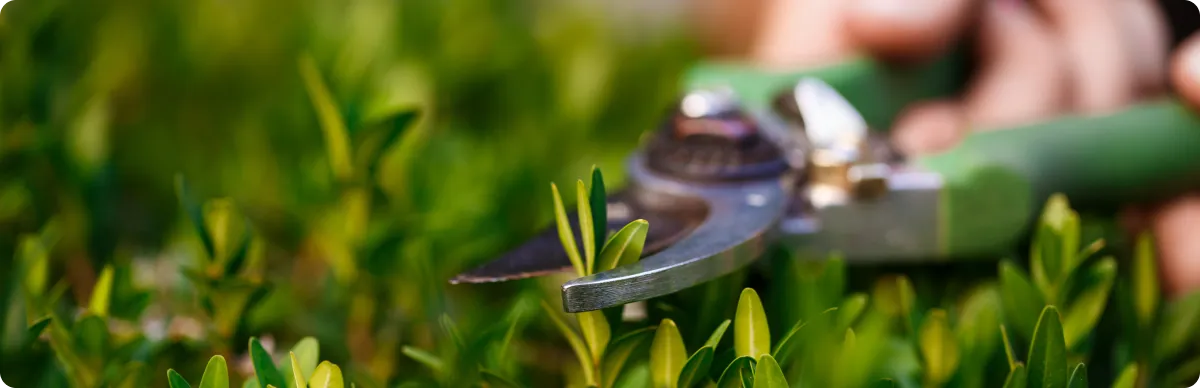
Enhanced Curb Appeal
Healthier Plant Growth
Reduced Pest Infestation
Improved Soil Quality
Professional and Reliable Service
Time and Effort Savings
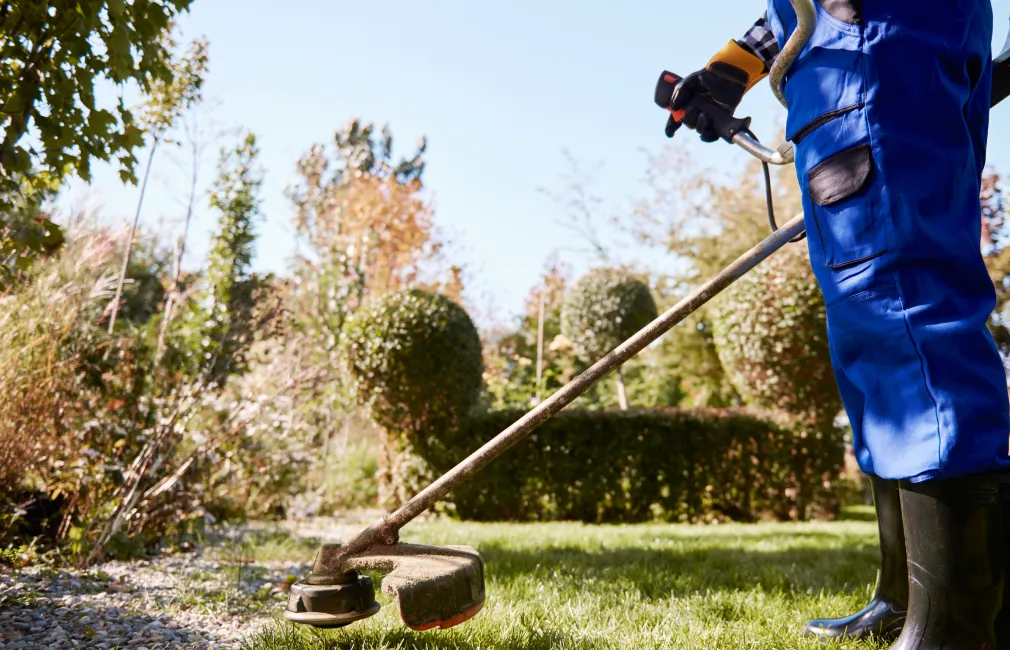
Tomball Weeding Types

Hand Weeding
-
Mechanical Weeding
-
Chemical Weed Control
-
Mulching for Weed Prevention
-
Flame Weeding
-
Soil Solarization
-
Organic Weed Management
Our Weeding Process
Site Evaluation
Weed Identification
Targeted Removal
Soil Treatment
Final Inspection
Why Choose Tomball Landscape Services
-
Tomball Homeowners Trust Us
-
Expert Lawn Maintenance
-
Reliable Scheduling
-
Competitive Pricing
-
Professional Team
-
Satisfaction Guarantee
-
Personalized Service
Soil Series and Drainage Considerations for Weeding in Tomball
Tomball’s predominant soils, including the Katy and Wockley series, are characterized by heavy clay content, moderate to poor drainage, and pH levels typically ranging from 6.5 to 7.8. These conditions can promote weed proliferation, especially in compacted or poorly drained areas. Effective weeding requires soil assessment using the USDA Web Soil Survey to determine compaction and drainage issues. For optimal weed suppression, incorporate 2-3 inches of compost tilled to a 6-inch depth and consider lime application if pH falls below 6.0. Soil testing is available through Texas A&M AgriLife Extension for a typical fee of $15-25. Regular monitoring of soil moisture and drainage patterns is essential, particularly after heavy rainfall events tracked by the National Weather Service Houston/Galveston Office.
Tomball Public Works Department
401 Market Street, Tomball, TX 77375
Phone: (281) 290-1400
Official Website: Tomball Public Works Department
Municipal Weeding Ordinances and Collection Schedules in Tomball
Weeding activities in Tomball are governed by city ordinances that require property owners to maintain vegetation below 12 inches in height and prevent weed encroachment onto sidewalks and public rights-of-way. The city enforces weekly yard waste collection every Thursday from April through November. Accepted materials include weeds, grass clippings, and brush under 4 feet in length, which must be placed in biodegradable bags or reusable bins (32-gallon maximum). Prohibited items include plastic bags and branches over 4 inches in diameter. Violations may result in fines starting at $75 per occurrence. For ordinance details and compliance assistance, contact:
Tomball Code Compliance Department
401 Market Street, Tomball, TX 77375
Phone: (281) 290-1459
Official Website: Tomball Code Compliance Department
Environmental Compliance: Stormwater and Buffer Zone Requirements in Tomball
Weeding operations in Tomball must comply with the city’s MS4 stormwater permit, which prohibits the disposal of weeds or clippings into storm drains or water bodies. Maintain a 25-foot no-disturbance buffer from wetlands and drainage ditches, as required by the Clean Water Act and enforced locally. Application of herbicides or fertilizers is restricted within 50 feet of water features to protect local streams and wetlands. The Texas Commission on Environmental Quality oversees state-level compliance, while the EPA Region 6 office provides federal oversight. For guidance on buffer zones and stormwater best practices, consult:
Tomball Public Works Department
401 Market Street, Tomball, TX 77375
Phone: (281) 290-1400
Official Website: Tomball Public Works Department
Optimal Weeding Timing and Climate Considerations for Tomball
Tomball is located in USDA Hardiness Zone 9a, with a growing season extending from mid-March through late November. Peak weed germination occurs from March 15 to May 30 and again from September 1 to October 31, when soil temperatures range from 60°F to 80°F. Mechanical weeding and mulching are most effective during these periods. Avoid chemical applications during June-August due to heat stress and potential runoff during heavy summer storms. Monitor local weather forecasts through the National Weather Service Houston/Galveston Office to schedule weeding after rainfall, when soil is moist but not saturated. Recommended timing windows:
- Spring weeding: March 15 – May 30
- Fall weeding: September 1 – October 31
- Avoid: June-August (heat, storm risk)
What Neighborhoods Do We Serve Throughout Tomball, TX?
- Old Town Tomball: Features mature trees and historic properties with compacted clay soils, requiring frequent weeding and attention to drainage.
- Northpointe: Newer developments with moderate lot sizes and improved drainage, but rapid weed growth due to disturbed soils and irrigation systems.
- Lakewood Grove: Proximity to retention ponds and drainage channels necessitates strict buffer compliance and careful debris management.
- Pinehurst: Larger lots with mixed woodland and open areas, presenting challenges with invasive species and seasonal weed pressure.
- Willowcreek Ranch: Gated community with HOA landscaping standards, requiring adherence to appearance guidelines and noise ordinances for equipment use.
- Tomball Hills: Sloped terrain and periodic flooding increase the need for erosion control and targeted weeding strategies.
- Rosewood: Dense residential area with narrow access points, making manual weeding and debris collection logistics more complex.